
Hello again, Seattle. home electrical contractors seattle It’s Leo. For over fifteen years, my boots have been on the ground in nearly every neighborhood of this city, from the waterfront homes in Magnolia to the classic bungalows in Wallingford. I’ve spent a career not just fixing wires, but building relationships with homeowners. And one of the most common points of stress I see isn’t the electrical problem itself, but the daunting task of finding a trustworthy professional to handle it.
You’re here because you searched for “home electrical contractors in Seattle”. That tells me you’re looking for more than just a quick fix. You might be planning a dream kitchen remodel, finishing your basement, upgrading an ancient panel, or even building a new addition. You have a project, and you know you need a qualified partner to bring it to life safely and correctly. The problem is, the term “contractor” can bring up a lot of anxiety. Will they show up on time? Will they stick to the budget? Are they truly qualified?
This guide is my answer to all those questions. I’m going to pull back the curtain and give you a veteran’s insider perspective on how to navigate the world of Seattle’s electrical contractors. We’ll cover what separates the pros from the amateurs, the critical questions you must ask, how to read a quote like an expert, and how to ensure your project is a resounding success from start to finish. Let’s build something great, and let’s do it right.
Defining Your Project for Home Electrical Contractors in Seattle
Before you can hire the right professional, it’s crucial to understand what the term “electrical contractor” truly means in Washington State. It’s not just a generic label for anyone who works with wires. It signifies a specific level of professionalism, accountability, and legal standing that is essential for your protection. Hiring a licensed contractor versus an unlicensed “handyman” is the single most important decision you’ll make.
The Legal Definition: What It Takes to Be a Licensed Contractor
In Washington, an electrical contractor is a business entity (whether a sole proprietor or a large company) that is legally registered, licensed, bonded, and insured to perform electrical work for hire. This isn’t just paperwork; it’s a comprehensive system of consumer protection managed by the Washington State Department of Labor & Industries (L&I).
To become a licensed electrical contractor, a business must:
- Have a Designated Master Electrician or Administrator: Every contracting business must have a certified Master Electrician or an Electrical Administrator on staff. This is a senior individual who has passed rigorous state exams and has years of verified field experience. They are legally responsible for ensuring all work performed by the company complies with the National Electrical Code (NEC) and local amendments.
- Be Registered with the State: The business itself must be registered as a legal entity with the Washington Secretary of State.
- Carry a Surety Bond: The contractor must post a surety bond (typically $4,000 for electrical). This bond is a form of insurance for you, the client. If the contractor fails to complete the job, performs faulty work, or doesn’t pay their suppliers, you can file a claim against the bond to recover your financial losses.
- Carry Liability Insurance: They must have a general liability insurance policy. This protects your property. If they accidentally start a fire, drill through a water pipe, or cause any other damage, their insurance policy covers the repairs, not your homeowner’s insurance.
Hiring an unlicensed individual means you have none of these protections. If they burn your house down, you have little to no legal recourse.
The Hierarchy of Electricians: Administrator, Master, Journeyman, and Apprentice
When you hire a contractor, you’re hiring a team. It’s helpful to understand the roles within that team, as each level represents a different stage of experience and qualification, all overseen by L&I.
- Electrical Administrator/Master Electrician: This is the highest level. They are the brains of the operation, responsible for pulling permits, designing complex systems, and ensuring all work is up to code. They have thousands of hours of experience and have passed the state’s most difficult exams.
- Journeyman Electrician: This is a fully qualified, licensed electrician. They have completed a multi-year apprenticeship program (typically 8,000 hours of on-the-job training and nearly 1,000 hours of classroom instruction) and passed a comprehensive state licensing exam. A Journeyman is skilled in all aspects of residential and commercial wiring and can work independently.
- Apprentice (or Trainee): This is an electrician-in-training. They work under the direct supervision of a Journeyman or Master Electrician at all times. Washington has strict supervision ratios to ensure that trainees are always learning correctly and working safely.
A reputable contractor invests in this system. They train apprentices, employ skilled journeymen, and are led by an experienced administrator. This structure ensures that even the newest person on the job is guided by an expert hand.
Service Electrician vs. Construction Electrician: A Key Distinction
Within the world of residential work, there’s a further specialization. While many electricians are skilled in both, they often focus on one area.
- Construction Electricians are experts at wiring new homes and large remodels. They are efficient at “roughing-in” a whole house from scratch, working from blueprints, and installing systems in open walls before drywall goes up.
- Service Electricians (like my team) specialize in troubleshooting, repair, and smaller projects in existing, occupied homes. We are experts at “fishing” wires through finished walls, diagnosing unknown problems, and performing “electrical surgery” with minimal disruption and mess.
When looking for home electrical contractors in Seattle, it’s helpful to know what kind of project you have. For a full gut remodel or new build, a construction-focused contractor is ideal. For upgrading a panel, adding a circuit, or fixing a problem in your existing home, a service-focused contractor is your best bet. The best companies often have both types of talent on their team.
Why “Cheaper” is Almost Always More Expensive
Now that you understand the legal requirements and training involved, you can see why a licensed contractor’s rates are what they are. They are covering the costs of licensing, insurance, bonding, extensive training, specialized tools, and professional vehicles.
An unlicensed individual who gives you a suspiciously low quote is cutting all of these corners. They are operating illegally, have no insurance to protect you, no bond to guarantee their work, and likely lack the formal training to do the job safely. I’ve been called to fix the dangerous, fire-hazard work of these “cheap” electricians countless times. The cost to tear out their incorrect work and do it right is always far more than what it would have cost to hire a professional in the first place. With electricity, the stakes are too high to gamble.
The Vetting Process for Home Electrical Contractors in Seattle
Before you can even begin to search for a contractor, you need to have a clear understanding of what you want to accomplish. A contractor can’t read your mind, and a vague project description will lead to vague quotes and potential misunderstandings down the road. Taking the time to define your project scope is the most critical step you can take to ensure a smooth process. It helps you communicate effectively and allows contractors to give you accurate, comparable bids.
: The Three Main Categories of Home Electrical Projects
Most residential electrical work falls into one of three categories. Identifying which category your project belongs to will help you frame your needs.
- Repairs and Troubleshooting: This is when something is actively broken. A dead outlet, a tripping breaker, a flickering light. The primary goal is to diagnose and fix a specific problem. The scope is often unknown at the start and requires a diagnostic approach.
- Upgrades and Replacements: This involves replacing existing components with newer, safer, or more efficient ones. The scope is generally well-defined. Examples include:
- Upgrading an old fuse box to a modern 200-amp breaker panel.
- Replacing all two-prong outlets with grounded, tamper-resistant outlets.
- Swapping out old light fixtures for new energy-efficient LED fixtures.
- A full knob and tube wiring replacement.
- Installations and Remodels: This involves adding something new or wiring a new space. This category has the widest range of complexity, from simple additions to whole-house renovations. Examples include:
- Adding a dedicated circuit for a new appliance (EV charger, hot tub, air conditioner).
- Installing recessed lighting in a living room.
- Wiring a newly finished basement or attic.
- A complete kitchen or bathroom remodel, which involves moving and adding outlets, switches, and lighting.
- Wiring a new home addition or a Detached Accessory Dwelling Unit (DADU).
Creating Your “Wish List” vs. Your “Must-Have List”
For upgrades and remodels, it’s incredibly helpful to think in terms of two lists. This will help you prioritize and manage your budget.
- The Must-Have List: These are the non-negotiable items required for the project to be functional and safe. For a kitchen remodel, this would include the required number of countertop outlets, the circuit for the refrigerator, the wiring for the dishwasher, and the main ceiling light. These are the items that must be in the base quote.
- The Wish List: These are the “nice-to-have” features you’d like if the budget allows. This could include under-cabinet LED lighting, a smart switch system, an outlet inside the pantry, or a heated floor.
Presenting your project this way to a contractor is incredibly effective. You can ask them to provide a base price for the “must-haves” and then provide itemized, optional pricing for the “wish list” items. This gives you control over the final cost and allows you to make informed trade-offs.
The Power of a Simple Sketch
You don’t need to be an architect. For a remodel or installation project, a simple, hand-drawn sketch of the room can be immensely powerful. On a piece of paper, draw the layout of the room and mark where you want things to go.
- Use an “X” for ceiling lights.
- Use a “$” for switches (and draw lines to the lights they control).
- Use a “⌽” for outlets.
This simple visual tool does wonders for communication. It eliminates ambiguity and ensures that you and the contractor are on the same page about the location of every single device. It will help them create a more accurate materials list and labor estimate, leading to a more accurate quote for you.
Thinking About the Future: Planning for Capacity
When planning a project, don’t just think about today; think about five or ten years from now. Are you likely to buy an electric vehicle? Do you dream of adding a hot tub or a workshop in the garage?
If you are already undertaking a major project, especially a panel upgrade, now is the time to plan for that future capacity. Adding a couple of extra circuits or installing a larger panel (e.g., 200 amps instead of 125) during the main project is incrementally less expensive than doing it as a separate project later. A good contractor will ask you about your future plans, but it’s best to have thought about it yourself beforehand. This foresight is a key part of what makes the best home electrical contractors in Seattle true partners in your home’s development.
The Vetting Process: How to Find and Qualify the Best Home Electrical Contractors in Seattle
Now that you have a clearly defined project, it’s time to find the right people for the job. This is the “interview” stage. Your goal is to gather bids from 2-3 highly qualified contractors so you can make a confident, informed decision. This process is about more than just collecting prices; it’s about finding a team you can trust to work in your home safely and professionally.
Where to Look: Beyond a Simple Google Search
A Google search for “home electrical contractors in Seattle” is a good starting point, but don’t let it be your only tool.
- Personal Referrals: This is the gold standard. Ask friends, family, neighbors, or coworkers in the Seattle area who they have used and trusted for electrical work. A recommendation from someone you know is incredibly valuable.
- Other Trade Professionals: If you’re working with a general contractor, a plumber, or an HVAC company you trust, ask them which electricians they recommend. Professionals know who does good work and who to avoid.
- Local Supply Houses: Electrical supply houses (like Platt or North Coast) often know which contractors are busy, reputable, and pay their bills on time. While they may not give official recommendations, talking to people in the industry can be insightful.
- Online Review Platforms: Use sites like Google, Yelp, and Angi, but use them wisely. As we’ve discussed, read the actual reviews, look for patterns of praise (professionalism, cleanliness, communication) and patterns of complaints.
Your goal is to create a shortlist of 3-5 companies to call for an estimate.
The Phone Call: Your First Impression Matters
The first phone call tells you a lot about a company.
- Who answers? Do you get a professional, knowledgeable person who can answer your basic questions, or does it go to a generic voicemail?
- How do they handle your request? Do they ask clarifying questions about your project? Do they explain their process for providing an estimate?
- Scheduling: Are they able to schedule an in-person estimate within a reasonable timeframe? A company that is booked out for months might be great, but they may not fit your project’s timeline.
A professional company will have a dedicated person to handle new client inquiries. This initial interaction is a strong indicator of the level of communication and organization you can expect throughout the project.
The In-Person Estimate: What to Watch For
The in-person estimate is your chance to interview the contractor. Pay attention to everything.
- Punctuality and Professionalism: Do they arrive on time? Are they in a company vehicle and wearing a uniform? Do they present themselves professionally?
- Thoroughness: Do they walk through the project with you, room by room? Do they ask a lot of questions and listen to your answers? Do they take notes and measurements? A contractor who gives you a price after a 2-minute glance is not being thorough.
- Problem Solving and Suggestions: A great contractor will not just be an order-taker. They will be a consultant. They might say, “I see you want an outlet here, but have you considered putting it on the other side of the door? It might be more convenient.” Or, “Since we’re opening this wall anyway, now would be a great time to add that extra lighting you wanted for a minimal additional cost.” This shows they are thinking about your best interests.
- Safety First: Do they talk about safety? Do they mention pulling a permit and having the work inspected? A contractor who downplays the need for a permit is a massive red flag.
The Critical Questions You MUST Ask Every Contractor
During the in-person estimate, you need to ask these questions. Their answers will reveal their qualifications and professionalism.
- “Are you licensed, bonded, and insured in Washington State? Can I have your license number?” (This is the first and most important question. Verify the number later on the L&I website.)
- “Will you be pulling a permit for this job?” (For anything beyond a simple repair, the answer must be “Yes.”)
- “Who will be performing the work? Your own employees or subcontractors?” (Direct employees generally offer more accountability.)
- “What is your experience with projects like mine in homes of this age?” (You want to hear about their specific experience with similar projects.)
- “How will you protect my home from dust and damage during the project?” (Look for answers about drop cloths, plastic barriers, and daily cleanup.)
- “Can you provide a detailed, itemized quote?” (You want to avoid a single lump-sum number with no details.)
- “What kind of warranty do you offer on your labor and materials?” (A minimum of one year on labor is standard. Longer is better.)
- “Can you provide references from 2-3 recent, similar projects?” (And be sure to actually call them!)
A professional contractor will welcome these questions and have confident, ready answers.
Deciphering the Quote: How to Compare Bids and Avoid Hidden Costs
After the estimates, you will receive written quotes from the contractors. This is where you make your final decision. It’s tempting to just look at the bottom-line price, but that’s a mistake. The best value is rarely the cheapest price. You need to compare the quotes on an “apples-to-apples” basis and understand exactly what is—and isn’t—included.
The Anatomy of a Professional Quote
A professional quote is a detailed document, not a number scribbled on the back of a business card. It should include:
- Company Information: The contractor’s full business name, address, phone number, and license number.
- Client Information: Your name and the project address.
- A Detailed Scope of Work: This is the most important section. It should describe, in detail, all the work to be performed. For example, instead of “Wire kitchen,” it should say, “Install (8) new countertop outlets, (1) dedicated refrigerator circuit, (1) dishwasher circuit, (6) 4-inch LED recessed lights on a dimmer switch…” The more detail, the better.
- Materials List: It should specify the major materials to be used, such as the brand and size of the electrical panel, the type of outlets (e.g., tamper-resistant, GFCI), etc.
- Exclusions: A good quote will also clearly state what is not included. This is crucial. Common exclusions are “drywall patching and painting” or “the cost of the light fixtures themselves.”
- Price: The total price should be clearly stated. If you discussed options, these should be listed as separate, optional line items.
- Payment Terms: It should specify the payment schedule (e.g., deposit upon signing, progress payments, final payment upon completion).
- Warranty Information: A statement about the warranty on labor and materials.
- Acceptance Section: A place for you to sign, turning the quote into a binding contract.
Comparing Apples to Apples: Look at the Scope, Not Just the Price
Lay the quotes out side-by-side. If one quote is significantly cheaper than the others, the first thing you should do is check the scope of work. It’s highly likely the cheaper contractor has omitted something or is planning to use lower-quality materials.
- Are they all quoting the same number of outlets and lights?
- Are they all including a permit and inspection in their price?
- Are they all including the same size electrical panel?
- What are the differences in their stated exclusions? One contractor might include drywall patching, while another doesn’t. That can be a significant hidden cost.
If a quote is vague, you cannot compare it accurately. Call the contractor and ask them to clarify the scope and provide a more detailed, revised quote. A professional will be happy to do so.
Red Flags to Watch for in a Quote
- Vagueness: A lack of detail in the scope of work is a major red flag.
- No License Number: If their license number isn’t on the quote, they may not have one.
- Lump Sum Pricing: A single price with no breakdown of what it includes.
- No Mention of a Permit: This is a sign they plan to do the work illegally.
- Large Upfront Deposit: A small deposit (10-15%) is standard to schedule the work. A request for 50% or more upfront is a red flag that suggests the contractor has cash flow problems.
- “Cash Discount”: A contractor offering a discount for paying in cash is often doing so to avoid paying taxes and is likely operating unethically in other areas as well.
Choosing the cheapest quote is often the most expensive mistake a homeowner can make. Choose the quote that is clear, comprehensive, and comes from the contractor who gave you the most confidence during the vetting process.
The Project Phase: What to Expect When the Work Begins
You’ve selected your contractor and signed the contract. Congratulations! Now the work begins. Knowing what to expect during the project phase can reduce stress and help you be a better partner to your contracting team. A well-managed project should feel like a collaboration, not a chaotic intrusion.
The Pre-Construction Walkthrough
On the first day, the lead electrician or project manager should do a final walkthrough with you. This is a chance to review the scope of work one last time, place protective coverings on your floors and furniture, and confirm the location of every outlet, switch, and light. This meeting ensures everyone is aligned before the first hole is cut.
The “Rough-In” Phase
This is typically the messiest and most intrusive part of the project. The electricians will:
- De-energize and Remove Old Wiring: They will safely disconnect and remove any old wiring that is being replaced.
- Cut Openings: They will make strategic openings in your drywall or plaster to run the new wires.
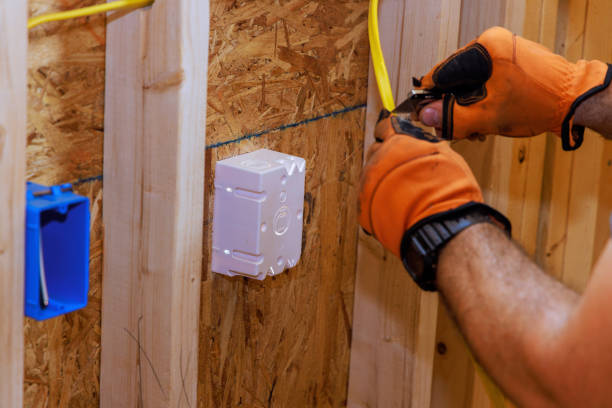
- Install Boxes: They will mount all the new electrical boxes for outlets, switches, and fixtures.
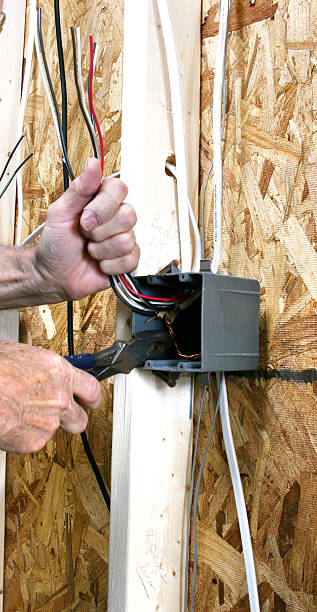
- Run New Wires: This is the “fishing” process, where they pull all the new cables from the panel to the new box locations.
During this phase, you will see a lot of wires and open walls. It can look chaotic, but a professional team will keep the job site as organized and clean as possible, typically cleaning up at the end of each day.
The Rough-In Inspection
This is a critical milestone. Once all the wires are run and the boxes are installed—but before the walls are closed up—the work must be inspected by a city inspector from the Seattle Department of Construction & Inspections (SDCI). The inspector will verify that the correct type of wire was used, that it’s properly supported, that the boxes are installed correctly, and that everything complies with the NEC. The project cannot proceed until it passes this inspection. Your contractor is responsible for scheduling and meeting the inspector.
The “Trim” or “Finish” Phase
After the rough-in passes inspection and the walls have been patched and painted (either by your contractor’s team or another specialist), the electricians will return for the finish phase. They will:
- Install Devices: Install all the outlets, switches, dimmers, and cover plates.
- Install Fixtures: Hang and connect all the new light fixtures, ceiling fans, etc.
- Energize and Test: If a new panel was installed, they will connect the main power. They will then turn on every new circuit and test every single device to ensure it is working correctly and is properly wired.
The Final Inspection and Project Closeout
Once everything is installed and working, a final inspection by the city inspector is often required. They will check the final installation to ensure all devices are safe and code-compliant.
After passing the final inspection, your contractor will do a final walkthrough with you. They will demonstrate how everything works (e.g., how to use the new smart dimmers), answer any questions you have, and present you with the final invoice. This is also when you should receive all your warranty documentation and the signed-off permit card from the city.
A successful project ends with a clean job site, a happy client, and a safe, fully functional electrical system that will serve you for decades to come. By being an informed and engaged homeowner, you play a vital role in making that successful outcome a reality.
While choosing the right contractor is key for planned projects, we understand that many electrical issues are unexpected and urgent. For immediate problems that can’t wait, our team specializes in providing fast and reliable home electrical repair in Seattle.
Your Partner for Every Electrical Need, Planned or Unplanned
Finding the right home electrical contractor is the key to a successful remodel or upgrade, ensuring your project is handled with skill and foresight. But we know that not all electrical needs can be scheduled. When you’re faced with a sudden power outage, a dangerous sparking outlet, or any other urgent issue, you don’t need a project plan—you need immediate help. For those critical moments, our dedicated team is always on standby, ready to act as your trusted emergency electrician in Seattle, providing the rapid, expert response your safety depends on.Démarrer agentCréer