
Emergency Electrical Service for Tripping Breaker in Seattle Let me be straight with you: if your circuit breaker keeps tripping in your Seattle home, it’s not normal. And it’s definitely not something you should keep “resetting and forgetting.”
I’ve been an emergency electrician in Seattle for over a decade. I’ve crawled through attics in Queen Anne, knelt in crawlspaces in West Seattle, and stood in flooded basements in Rainier Valley—all because a homeowner thought a tripping breaker was just a “nuisance.” By the time I got there, half their wiring was charred, their panel was rusted through, or—on three terrifying occasions—their walls were already smoldering.
This isn’t fear-mongering. This is your reality if you live in a city that gets 152 rainy days a year, where 60% of homes were built before 1960, and where electrical loads today are three times what they were when your house was wired.
If you’re reading this, you’ve probably already reset that breaker 5, 10, maybe 20 times. You’ve unplugged everything “just in case.” You’ve Googled “emergency electrical service for tripping breaker in Seattle” and landed here.
Good. Because what you’re dealing with isn’t just an electrical issue. It’s a Seattle-specific emergency waiting to happen.
And I’m not here to sell you a service. I’m here to tell you—as someone who’s seen what happens when people wait too long—exactly what’s going wrong, why it’s worse here than in most cities, and what you need to do before your next trip turns into a fire call.
Why You Need Emergency Electrical Service for Tripping Breaker in Seattle
Most homeowners think the breaker is the problem. It’s not. The breaker is the hero. It’s the safety device that’s saving your house by cutting power before something catastrophic happens. Every time it trips, it’s screaming at you: “Something is very wrong!”
But in Seattle, that “something” is amplified by three silent killers most people never see coming.
The Hidden Time Bomb: Aging Panels in Seattle’s Pre-1980 Housing Stock
Drive through Capitol Hill, Fremont, or Madrona, and you’ll fall in love with the charm of 1920s bungalows and 1940s craftsman homes. But behind those beautiful walls? Wiring and panels that haven’t been updated since Nixon was in office.
Here’s the harsh truth: most Seattle homes built before 1980 have 60-amp or 100-amp service panels. That was plenty for a refrigerator, a radio, and a few lamps. But today? You’ve got:
- A mini-split heat pump (30+ amps)
- An EV charger (40–50 amps)
- A home office with servers and monitors
- LED lighting on every circuit
- Smart home systems running 24/7
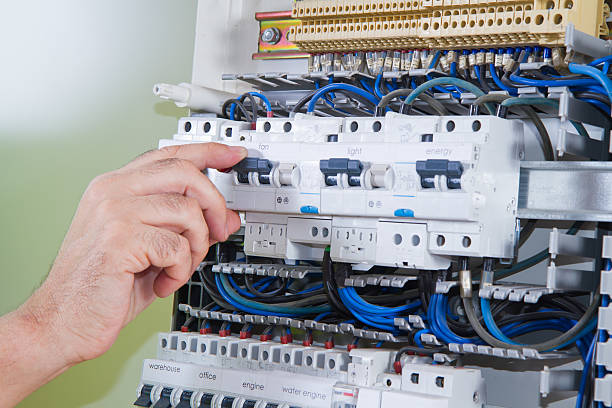
Your panel isn’t just overloaded—it’s drowning. And the breaker trips because it’s the only thing standing between you and melted wires. I’ve opened panels in Green Lake where the main lugs were so corroded from humidity that they sparked every time the AC kicked on. That’s not a “repair.” That’s a countdown.
How Seattle’s Rain and Humidity Wreak Havoc on Your Main Service Panel
Seattle isn’t just wet—it’s constantly damp. That moisture doesn’t just stay outside. It seeps into your basement, crawls up your foundation, and condenses inside your electrical panel—especially if it’s located in a garage (like 70% of Seattle homes).
Moisture + electricity = corrosion. Corrosion = increased resistance. Increased resistance = heat buildup. And heat is the #1 cause of electrical fires.
I’ve measured panels in Ballard that were running 140°F on the surface—not because of overload, but because rust had eaten through the neutral bar, forcing current through a smaller path. The breaker tripped every 45 minutes. The homeowner thought it was “just old.” It was a disaster waiting for a spark.
The Deadly Combo: Federal Pacific, Zinsco, and Sylvania Panels in Capitol Hill & West Seattle
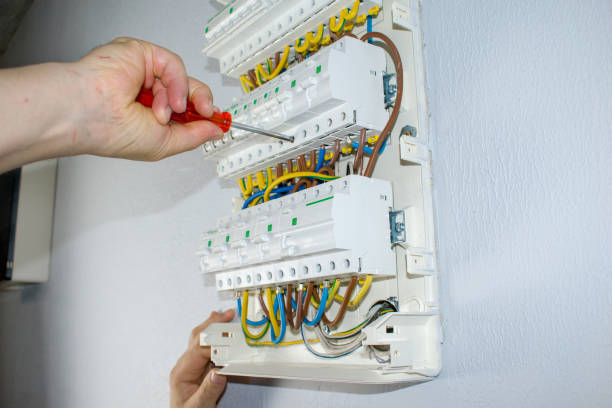
If your Seattle home was built between 1950 and 1980, there’s a very real chance your panel is a **Federal Pacific **(FPE), Zinsco, or Sylvania. These aren’t just outdated—they’re known fire hazards.
The U.S. Consumer Product Safety Commission found that FPE panels fail to trip during overloads 50% of the time. That means instead of cutting power, they let wires overheat until they ignite. Zinsco breakers can literally melt into the bus bar, making them impossible to reset—and impossible to turn off in an emergency.
I’ve had to do full emergency panel replacements in Capitol Hill where the homeowner didn’t even know they had an FPE. They just kept resetting the “sticky” breaker. One more trip, and their attic would’ve gone up in flames.
Why a “Working” Panel Isn’t Enough – The Seattle Code Requirements You’re Probably Missing
Even if your panel is “working,” it likely doesn’t meet Seattle’s current electrical codes. The city requires:
- AFCI protection in all living areas (bedrooms, hallways, living rooms)
- GFCI protection within 6 feet of any water source
- Proper grounding for all circuits
- Labeling and accessibility of the panel
If you’ve added a bathroom, a kitchen remodel, or even a new outlet without pulling a permit, your system is out of code. And if a fire happens? Your insurance company can deny your claim—just like they did to a family in Beacon Hill last year.
My Wake-Up Call: The Fremont House Fire That Started in a 60-Amp Panel
I’ll never forget the call from a Fremont homeowner on a rainy November night. “My breaker keeps tripping,” she said. “Can you come tomorrow?”
I insisted on coming that night. When I opened her 60-amp panel, I found aluminum wiring connected to copper lugs with no anti-oxidant paste. The connection was so hot, the insulation had turned to ash. I killed the main power and called the fire department for a thermal scan. They found smoldering wood behind the wall.
She got her family out in time. Her house didn’t burn down. But it was a $40,000 lesson in why “I’ll deal with it later” doesn’t work in Seattle.
Emergency Electrical Service for Tripping Breaker in Seattle: Hidden Dangers by Neighborhood
Not all Seattle neighborhoods face the same risks. Your location changes everything.
If your breaker trips when you plug in your electric vehicle, your panel might not be ready for a Level 2 charger. Learn exactly what a licensed electrician checks before installing an EV charger in Seattle
Fremont & Phinney Ridge: The ADU Overload Crisis
You added an ADU. Great choice. But did you upgrade your panel? Most homeowners in Fremont didn’t. They’re running EV chargers in the main house + full kitchens in the ADU on a 100-amp service. The result? Constant tripping, especially when both units run heat pumps simultaneously. I’ve had to install 200-amp services with subpanels in over 30 Fremont homes this year alone.
Capitol Hill: Historic Charm, Hidden Hazards
Those beautiful 1910 homes in Harvard-Belmont? Many still have knob-and-tube wiring feeding into modern panels. The problem? Knob-and-tube wasn’t designed for grounded circuits. When you plug in a modern appliance, the imbalance causes ground faults—which trip AFCI breakers. The fix isn’t just a new breaker. It’s a partial rewire—done carefully to preserve historic integrity.
West Seattle: Aluminum Wiring + Coastal Moisture = Perfect Storm
West Seattle’s 1970s homes are full of aluminum branch circuits. Combine that with salty, humid air from the Sound, and you get oxidized connections that overheat. The breaker trips as a warning. Ignore it, and you risk a fire behind the wall—where you can’t see it until it’s too late.
Ballard & Green Lake: The “Just One More Outlet” Trap
Homeowners here keep adding circuits for home offices, saunas, and EV chargers—without checking panel capacity. A 100-amp panel with 28 circuits is a recipe for disaster. I’ve seen panels in Green Lake where every slot was double-tapped (two wires on one breaker)—a major code violation and fire risk.
What to Expect from Emergency Electrical Service for Tripping Breaker in Seattle
When you call for emergency electrical service for tripping breaker in Seattle, here’s exactly what happens—no fluff, no sales pitch.
Step 1: The 24/7 Dispatch – We’re Actually Local
We don’t outsource calls to a call center in another state. When you call, a Seattle-based dispatcher answers. If it’s after hours, our on-call electrician gets your info and heads your way—often within 30 minutes.
Step 2: The Full Safety Assessment
We don’t just “reset the breaker.” We:
- Shut off the main power
- Open your panel (safely, with PPE)
- Check for heat damage, corrosion, loose lugs
- Test each circuit with a thermal imager and circuit analyzer
- Identify whether it’s an overload, short, or ground fault
Step 3: Transparent Diagnosis – No Jargon, Just Facts
We’ll show you exactly what’s wrong—often with photos—and explain:
- Why it’s happening
- Why it’s dangerous
- What happens if you wait
- Your repair options (with clear pros/cons)
No pressure. No fake urgency. Just facts.
Step 4: Fast, Code-Compliant Repair
If it’s a simple fix (like a bad outlet or overloaded circuit), we’ll do it on the spot. If it’s a panel issue, we’ll stabilize the situation that night and schedule a full repair with permits pulled through Seattle SDCI.
Step 5: Follow-Up & Peace of Mind
We’ll call you the next day to check in. And if you have questions a week later? Call us. We’re not a franchise. We’re your Seattle neighbors.
When to Call for Emergency Electrical Service for Tripping Breaker in Seattle
Don’t wait for these signs:
- Breaker trips immediately after reset
- You smell burning plastic near the panel
- Your panel feels hot to the touch
- You see scorch marks or rust
- Lights flicker during rain
If you’re experiencing any of this—call now. In Seattle’s climate, electrical problems escalate fast.
If your breaker keeps tripping and you’re searching for “emergency electrical service for tripping breaker in Seattle,” you’ve already done the right thing. Now take the next step: call a licensed, local electrician who knows Seattle’s unique risks—and can be at your door tonight.
**Frequently Asked Questions **(FAQs)
Can I just keep resetting my tripping breaker?
No. Every reset risks overheating wires. In Seattle’s damp conditions, that can lead to hidden fires.
Do you service all Seattle neighborhoods?
Yes—including Fremont, Ballard, Capitol Hill, West Seattle, Queen Anne, Green Lake, Beacon Hill, and more.
Is this covered by my homeowner’s insurance?
Sometimes—but only if the work is done by a licensed contractor with proper permits. DIY fixes void coverage.
How fast can you get here?
In most cases, within 60 minutes, 24/7.
Why is this happening now?
Seattle’s rain increases humidity in panels. Older homes weren’t built for today’s electrical loads. And panels degrade over time—especially in our climate.