
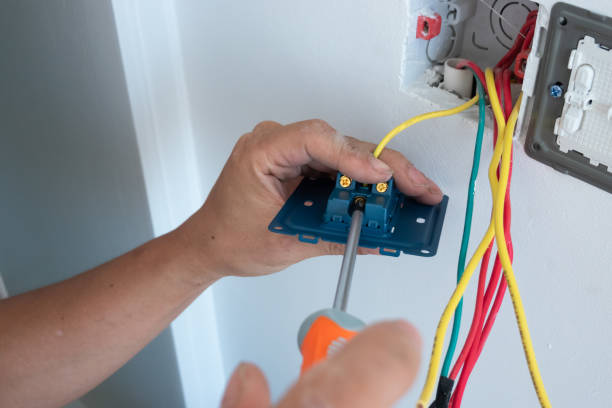
Why Electrical Repair Service in Seattle is a Critical Necessity
Electricity Repair Service Seattle , nestled in the heart of Washington State, stands as a global hub for innovation and technology, home to corporate giants that define the digital future. However, this rapid growth and technological transformation face a significant structural challenge: the aging electrical infrastructure of many of its homes and buildings. This contrast creates a vital and increasing demand for electricity repair service seattle, as residents and businesses require reliable and safe electrical services that meet the demands of the modern era.
The need for qualified electricians in Seattle extends beyond emergency repairs. It encompasses upgrading outdated systems, installing electric vehicle (EV) chargers, and modernizing electrical panels that can no longer handle the increasing loads from smart appliances and contemporary heating and cooling systems. Since electricity is the lifeblood of daily life and safety in any property, understanding the legal and professional framework governing this profession, in addition to the expected costs of services, becomes paramount for both homeowners and aspiring professionals.
This comprehensive article aims to provide a detailed guide covering all aspects related to electrical services in Seattle and Washington State. We will explore the professional path to becoming a licensed electrician, analyze the costs of various services, clarify the laws related to rewiring, and most importantly, answer the legal questions about whether a homeowner is permitted to perform electrical work themselves. Understanding these details ensures informed decisions, whether you are seeking a reliable electricity repair service seattle or considering joining this vital profession.
Seattle: City of Technology and Old Electrical Challenges
Seattle is characterized by a unique blend of historic buildings dating back to the early 20th century and modern residential and commercial complexes. Many homes in neighborhoods like Capitol Hill and Ballard still rely on old electrical systems, some using aluminum wiring or systems lacking adequate grounding. These systems, which were sufficient in their time, now pose a potential hazard and a significant challenge to meet the energy needs of households relying on multiple computers, large televisions, and sophisticated security systems.
Simultaneously, the city is experiencing a boom in the adoption of green technology, particularly electric vehicles, which places additional strain on residential electrical grids. Installing an EV charger often requires a comprehensive upgrade of the main electrical panel, a service that is at the core of specialized electricity repair service seattle work. This complex landscape elevates the demand for electricians who are not only skilled in repair but also knowledgeable about the latest technologies and the strict safety standards of Washington State.
Article Overview: What You Will Learn About Electricity in Seattle and Washington State
To ensure comprehensive and useful coverage, we will organize the information around the following key themes:
- Legal and Professional Framework: Exploring the licensing and training requirements to become a certified electrician in Washington State.
- Cost Analysis: Providing accurate estimates for electrical service costs, including hourly wages and the costs of major projects like house rewiring.
- Homeowner Laws: Clarifying the regulations governing whether a homeowner can perform electrical work themselves.
- Most Demanded Services: Highlighting the most common types of repairs and upgrades in Seattle.
The Legal and Professional Framework for the Electrical Profession in Washington State
Washington State is known for imposing strict and clear standards on the practice of the electrical profession to ensure public safety and protect property from the risks of fire and electric shock. This profession is primarily regulated by the Washington State Department of Labor & Industries (L&I). Any electrical work, whether a simple repair or a complex installation, requires a valid license or certificate from L&I [1].
How to be an electrician in Washington state?
The path to becoming a certified electrician in Washington State is a structured professional journey that requires a commitment to practical and theoretical training. This path is designed to ensure that every electrician practicing electricity repair service seattle possesses the necessary knowledge and experience to work safely and effectively.
The Apprenticeship and Trainee Path
To begin in this field, an individual must first obtain an Electrical Trainee Certificate from L&I [1]. This certificate allows the individual to work in the electrical field, but under the direct supervision of a certified electrician (Journeyman Electrician).
The training path primarily consists of two integrated components:
- On-the-Job Training: The general path to becoming a General Journeyman Electrician requires completing 8,000 hours of documented practical experience [2]. These hours must be accurately recorded and verified by the supervising electrician.
- Classroom Training: In addition to practical experience, the trainee must complete at least 576 hours of technical education in the classroom [2]. These hours cover essential topics such as the National Electrical Code (NEC), circuit theory, and safety systems.
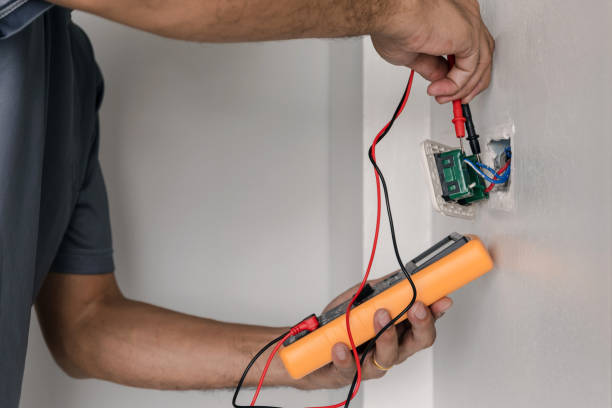
Obtaining Journeyman Electrician Certification
After completing the required practical and theoretical training hours, the trainee becomes eligible to apply for the Journeyman Electrician (01 – General Journeyman Electrician) certification exam. This certification is the gold standard for electricians who perform general installation and repair work.
- The Exam: It is a comprehensive test covering theoretical and practical knowledge, with a strong focus on applying the rules of the National Electrical Code (NEC) and Washington State laws.
- Importance: Once certified, the electrician is able to work independently, supervise trainees, and legally provide electricity repair service seattle.
Other Types of Licenses
In addition to the Journeyman Electrician certification, Washington State offers other specialized licenses that meet specific market needs:
| License Type | Description and Key Responsibilities |
|---|---|
| Specialty Electrician | Focuses on specific areas such as Limited Energy systems, HVAC/R systems, or elevator systems. Requires fewer training hours than the General Journeyman Electrician. |
| Master Electrician | The highest level of certification. Requires additional experience as a certified electrician and passing an extra exam. A Master Electrician can serve as the “Administrator” for an electrical contracting company, ensuring the company’s compliance with laws and regulations [1]. |
| Electrical Administrator | The person responsible for ensuring the electrical contracting company complies with all laws and regulations. They are not necessarily permitted to perform installation work themselves unless they also hold an electrician certificate [1]. |
This rigorous system ensures that everyone providing electricity repair service seattle has undergone a comprehensive training and evaluation process, enhancing confidence in the quality and safety of the work.
Can a homeowner do electrical work in Washington state?
This is a very common question among homeowners who prefer to perform maintenance and repair work themselves to save costs. The answer in Washington State is yes, but under strict and specific conditions [3].
The Homeowner Exemption Rule
Washington State law allows a property owner to perform electrical work on their own property without needing to be a licensed electrician, under the “Property Owner Exemption” [4]. However, this exemption is limited by crucial conditions:
- Primary Residence: The property where the work is performed must be the owner’s sole and primary residence [4]. This means the exemption does not apply to rental properties, homes owned by the owner but not resided in, or commercial properties.
- Personal Work: The property owner must perform the work themselves. They cannot hire or use unlicensed individuals to perform the work on their behalf.
- Code Compliance: The electrical work performed must comply with all requirements of the National Electrical Code (NEC) and local Washington State laws.
Legal Procedures: Permits and Inspection
Even if the exemption conditions are met, electrical work performed by the homeowner does not exempt them from obtaining an Electrical Permit from L&I [3].
- Permit is Mandatory: Any new electrical work, modification, or maintenance that goes beyond a simple replacement of a switch or outlet requires a permit [3]. The homeowner must apply for a “Property Owner Permit” before starting the work.
- Inspection is Mandatory: After the work is completed, the homeowner must contact L&I to arrange an inspection. A certified electrical inspector will examine the work to ensure it complies with safety standards and the electrical code [3]. No new wiring or installations may be covered by walls before the inspector approves them.
Legal Conclusion: Although the law allows the homeowner to perform the work, the process is complex and requires a high level of technical knowledge of the electrical code. Any error in installation could lead to the inspector rejecting the work, requiring costly corrections, or worse, exposing the home to the risk of fire. For this reason, most Seattle homeowners prefer to use a licensed and qualified electricity repair service seattle to ensure safety and legal compliance.
Cost Analysis: How Much Does Electrical Repair Cost in Seattle?
Understanding the expected costs of electrical services is vital for Seattle homeowners. Electrical service prices vary significantly based on several factors, including the type of work, the electrician’s experience, and the geographical location within the greater Seattle area.
How much do electricians charge per hour in Washington state?
When it comes to electricity repair service seattle, it is important to distinguish between the Journeyman Wage and the Customer Hourly Rate.
Wage vs. Customer Cost Analysis
According to professional data, the average Journeyman Electrician wage in Washington State is approximately $49.43 per hour as of January 2024 [5]. This is the base salary the electrician receives.
However, the cost the customer pays when hiring an electricity repair service seattle is significantly higher, typically ranging between $100 and $130 per hour [6]. This disparity is because the customer price covers not only the electrician’s wage but also:
| Cost Element | Description |
|---|---|
| Overhead | Office rent, utilities, company insurance, service marketing, and equipment. |
| Insurance & Licensing | Cost of Liability Insurance and Worker’s Compensation, in addition to license renewal fees. |
| Vehicles & Tools | Maintenance of work vehicles, and the cost of specialized and expensive tools. |
| Profit Margin | The profit margin that allows the company to grow and invest in employee training. |
Alternative Pricing Models
Although hourly pricing is common, many electricity repair service seattle companies prefer to use a Flat-Rate Pricing model for common tasks.
- Flat Rate: A total price for the service (such as installing a ceiling fan or replacing a switch) is determined before the work begins. This gives the customer peace of mind and protects them from unexpected costs if the task takes longer.
- Hourly Rate: Typically used for complex tasks or troubleshooting faults whose time is difficult to estimate in advance.
How much to rewire a house in Seattle?
Whole-House Rewiring is one of the largest and most important electrical projects a homeowner may face, especially in Seattle where many older homes exist.
The Cost Range in Seattle
The cost of rewiring varies significantly based on the size and age of the home and the accessibility of the wiring. While some estimates suggest lower averages, the more realistic range for rewiring an entire house in Seattle is between $6,000 and $20,000 USD [7].
| Home Size (Approximate) | Estimated Cost Range in Seattle |
|---|---|
| Small Home (Under 1,000 sq ft) | $6,000 – $10,000 |
| Medium Home (1,500 – 2,500 sq ft) | $10,000 – $16,000 |
| Large Home (Over 2,500 sq ft) | $16,000 – $25,000 or more |
Factors Determining Rewiring Cost
The final cost of rewiring is affected by several crucial factors:
- Home Size and Age: The larger the home, the more wiring is required. Very old homes may require extra effort to remove old wiring (such as Knob-and-Tube Wiring) and deal with difficult building materials.
- Wiring Accessibility:
- Easy Access: If the wiring is accessible through the attic or crawl space without needing to break walls, the cost is lower.
- Difficult Access: If walls and ceilings must be broken to access the wiring, the cost increases significantly to include drywall and painting work after the electrical work is completed.
The Most Demanded Electricity Repair Services in Seattle
Seattle’s unique real estate and infrastructure characteristics create a high demand for specific types of electrical services that go beyond routine repairs. Understanding these most demanded services helps homeowners anticipate their future needs and helps electricity repair service seattle providers focus their efforts.
Electrical Panel Upgrades
Panel upgrades are among the most common services in Seattle, for two main reasons: the age of the homes and the increase in modern electrical loads. Many older homes in the city still operate with 60 or 100 amp panels, which is completely insufficient to meet the demands of modern life.
Why Do Seattle Homes Need Panel Upgrades?
- Increased Household Loads: Modern homes rely heavily on high-power-consuming appliances, such as microwaves, portable air conditioners, electric clothes dryers, and complex home entertainment systems. These devices require greater electrical capacity than old panels can provide.
- Electric Vehicle (EV) Chargers: As mentioned earlier, Seattle is a hub for EV adoption. Installing a Level 2 Charger requires a dedicated 40 to 50 amp circuit, making a panel upgrade to 200 amps necessary in most cases [8].
- Insurance and Safety: Insurance companies often refuse to cover homes that still have old electrical panels or fuse boxes, due to the high risk of fire. Upgrading the panel is a proactive step to ensure safety and maintain insurance coverage.
Cost of Electrical Panel Upgrade
The cost of an electrical panel upgrade in Seattle typically ranges between $1,500 and $4,500 USD [9]. This range depends on several factors:
- New Capacity: Upgrading from 100 amps to 200 amps is the most common and costly.
- Location: If the new panel requires relocation or an extension of the main service from the meter, the cost increases.
- Permits: A permit from L&I must be obtained for any panel upgrade, and the cost includes permit and inspection fees.
Investing in a panel upgrade is an investment in the home’s future and its ability to safely accommodate modern technology.
Emergency Electrical Repairs
Electrical emergencies happen at any time and require a quick response from electricity repair service seattle. These emergencies usually include problems that threaten safety or render a large part of the home unusable.
Most Common Problems Requiring Emergency Repair:
- Frequent Tripping Breakers: When a circuit breaker trips frequently, it indicates an overload or, in the worst case, a short circuit. Diagnosing the root cause of this requires the expertise of a licensed electrician.
- Strange Odors or Burn Marks: Any smell of burning plastic or black marks around outlets or switches are danger indicators that require immediately shutting off the power and calling an emergency electrical service.
- Grounding Issues: Grounding problems may appear as light shocks when touching metal appliances. These problems are serious and require immediate repair to ensure the safety of individuals.
Electricity repair service seattle companies often charge additional fees for emergency services performed outside regular business hours or on weekends, which should be considered when analyzing costs.
EV Charger Installation
With the increasing number of electric vehicles in Seattle, installing home EV chargers has become an essential service. This work requires a precise understanding of the local electrical code and charger requirements.
Electrical Requirements for Level 2 Charger Installation:
- Dedicated Circuit: A Level 2 charger must be installed on a dedicated 240-volt electrical circuit.
- Breaker Size: The charger typically requires a 40 or 50 amp circuit breaker.
- Permit and Inspection: As with a panel upgrade, installing an EV charger requires a permit and inspection from L&I to ensure compliance with safety standards.
Choosing an electrician with specific experience in EV charger installation is crucial, as it ensures the installation is done with high efficiency and maintains the vehicle’s warranty.
Choosing the Best Electricity Repair Service Seattle Provider
In a crowded service market, choosing the right electrician to provide electricity repair service seattle can be a difficult task. However, focusing on a set of basic criteria can ensure safe, legal, and high-quality service.
Criteria for Selecting a Licensed Electrician
Licensing is the homeowner’s first line of defense. One should never contract with an individual or company that cannot prove their license in Washington State.
1. Verification of Washington State License (L&I License Lookup)
Any company providing electrical services in Washington must hold an Electrical Contractor License, and must have a designated Electrical Administrator or Master Electrician registered with L&I [1].
- How to Verify: The homeowner can use the online license lookup tool provided by L&I to check the status of the company’s license and the electricians working for it. This ensures the company is registered, its licenses are valid, and it carries the necessary insurance.
- Importance of Insurance: The company must carry Liability Insurance and Worker’s Compensation. This protects the homeowner from financial liability in case of an accident or injury while working on their home.
2. Experience in Older Seattle Homes
Older Seattle homes require specialized experience. An electrician accustomed to working in modern buildings may face difficulty dealing with old electrical systems, such as:
- Knob-and-Tube Wiring: An old system that requires special expertise in handling and safely removing it.
- Aluminum Wiring: Requires special connection techniques to prevent overheating and fire hazards.
The homeowner should ask the potential contractor about their experience working in homes similar to their age and type in Seattle.
3. Written Quotes and Permits
The contractor must provide a written, detailed quote that includes the scope of work, materials used, and warranties. Most importantly, the contractor must take responsibility for obtaining all necessary electrical permits from L&I before starting the work. A professional company will never start work without the required permit.
Reading Reviews and Testimonials
In the digital age, online reviews have become a crucial tool for evaluating the quality of electricity repair service seattle.
Importance of Local Customer Reviews:
- Reliability and Professionalism: Reviews provide insight into the company’s adherence to schedules, the professionalism of the technicians, and the quality of customer service.
- Pricing Accuracy: Reviews can reveal whether the company adheres to its initial cost estimates or if there are unexpected hidden fees.
- Handling Problems: The best companies are those that receive positive reviews even after a problem occurs, demonstrating their ability to resolve disputes and handle errors responsibly.
Reliable Platforms for Review Search:
Reviews should be sought on reliable platforms such as:
- Google Business Profile: Provides direct reviews from local customers.
- Yelp and Angi: Platforms specializing in home services.
- Better Business Bureau (BBB): To check the company’s record in resolving customer complaints.
Taking the time to research a licensed, insured, and reputable electricity repair service seattle is an investment that ensures the long-term safety of the home.
Electrical Safety: The Homeowner’s First Line of Defense in Seattle
The discussion of electricity repair service seattle is incomplete without emphasizing the importance of electrical safety, which goes beyond mere code compliance. In a city like Seattle, where old homes intersect with modern technology, specific safety issues emerge that require special awareness from homeowners.
Risks of Old Electrical Systems
Electrical systems over 40 years old are a major source of concern. In many historic Seattle homes, systems still exist such as:
- Knob-and-Tube Wiring: This system, common between 1880 and 1940, lacks grounding and uses ceramic insulators. This system becomes dangerous when covered with modern insulation, which prevents heat dissipation and increases the risk of fire.
- Aluminum Wiring: This wiring was used in some homes during the 1960s and 1970s. The main problem is that it expands and contracts at a different rate than copper wiring, leading to loose connections at outlets and switches. This looseness causes increased resistance and heat, a common cause of electrical fires.
- Fuse Boxes: Although not inherently dangerous, homeowners often make the mistake of oversizing the fuse when the power trips, which eliminates the protection function and allows excessive current to pass, potentially burning the wires.
Any professional electricity repair service seattle should conduct a comprehensive assessment of these old systems and provide clear recommendations for upgrading or replacement.
Modern Protection Devices: GFCI and AFCI
The National Electrical Code (NEC) now mandates the use of advanced protection devices in modern and renovated homes, which are essential for reducing the risks of shock and fire:
- Ground Fault Circuit Interrupters (GFCI): Designed to protect individuals from electric shock. They work by monitoring the electrical current flowing to and returning from the circuit. If they detect any current leakage to the ground (such as a human body), they immediately shut off the power. They are mandatory in wet areas such as kitchens, bathrooms, garages, and outdoor areas.
- Arc Fault Circuit Interrupters (AFCI): Designed to protect the home from electrical fires. They detect abnormal “arc fault” patterns caused by damaged wiring or loose connections, and trip the circuit before the arc can develop into a fire. They are mandatory in bedrooms and other living areas.
Installing these devices is not just code compliance; it is a direct investment in the safety of the family and property.
The Future Technology: How is the Electrical Landscape Changing in Seattle?
Seattle is moving towards a more sustainable and smart future, and this transition directly impacts the nature of electricity repair service seattle work. Electricians in the city must be aware of emerging technologies that shape the future of home energy.
1. Solar and Battery Storage
The installation of solar panels and home battery storage systems (such as the Tesla Powerwall) is becoming more common. This requires electricians to be certified in installing these complex systems that require safe integration with the main electrical panel and the public grid.
2. Smart Homes and Automation
Modern smart home systems (smart lighting, security systems, climate control devices) require a robust and reliable electrical infrastructure. The work is moving towards installing integrated data and electrical networks, adding a new dimension to the electrician’s skills.
3. Energy Efficiency
With rising energy costs, the demand for energy efficiency improvement services is increasing, such as installing LED lighting, smart thermostat installation, and improving wire insulation. This shift places the electrician in the role of a consultant who helps the homeowner reduce their carbon footprint and monthly bills.
Conclusion: An Investment in Safety and Quality
In this comprehensive article, we have reviewed the multiple facets of electricity repair service seattle, starting from the rigorous professional path to becoming a licensed electrician in Washington State, through a precise analysis of the expected costs for repair services and rewiring, to clarifying the laws governing a homeowner’s ability to perform work themselves.
The answers to the key questions we posed summarize the importance of this field:
- How to be an electrician in Washington state? It requires 8,000 hours of practical training and 576 hours of theoretical education, followed by the Journeyman Electrician certification from L&I.
- How much do electricians charge per hour in Washington state? The customer hourly rate typically ranges between $100 and $130, which covers the electrician’s wage and the high operating costs of the company.
- How much to rewire a house in Seattle? The cost generally ranges between $6,000 and $20,000, depending heavily on the size of the home and the accessibility of the wiring.
- Can a homeowner do electrical work in Washington state? Yes, but only in their primary residence, provided they obtain a mandatory electrical permit and pass the inspection from L&I.
Call to Action: Final Advice for Seattle Homeowners
Ultimately, the importance of choosing a licensed and insured electricity repair service seattle cannot be overstated. Electrical work is not an area for saving money or experimentation. Investing in a qualified electrician is an investment in your family’s safety, the protection of your property, and ensuring compliance with local laws.
When it comes to electricity, quality and safety must be the top priority. Always ensure you verify the contractor’s license, request detailed written quotes, and demand all necessary permits before allowing any work to begin. With this awareness, Seattle homeowners can ensure their electrical systems are robust, safe, and ready to face the challenges of the future.
Factors Determining Rewiring Cost (Continued)
- Electrical Panel Upgrade: Rewiring often necessitates an upgrade of the main electrical panel to accommodate the new wiring and increased capacity. This is a significant cost factor, as detailed previously.
- Number of Outlets and Fixtures: The total number of new outlets, switches, and light fixtures to be installed directly impacts the cost of materials and labor.
- Permits and Inspection: The cost includes the fees for the mandatory L&I permits and the final inspection, which ensures the work meets the National Electrical Code (NEC) standards.
Why Rewire? The Safety and Value Proposition
The decision to rewire a house is a major financial commitment, but it is often a non-negotiable one, especially for homes with outdated systems like Knob-and-Tube or aluminum wiring.
- Safety: The primary reason is safety. Old wiring poses a serious fire hazard due to brittle insulation, lack of grounding, and loose connections. Rewiring eliminates these risks.
- Insurance: Many insurance companies will either refuse to insure a home with outdated wiring or charge exorbitant premiums. Rewiring can significantly reduce insurance costs.
- Home Value: A fully updated electrical system is a major selling point and increases the overall value of the home, making the investment worthwhile in the long run.
The Most Demanded Electricity Repair Services in Seattle
Seattle’s unique real estate and infrastructure characteristics create a high demand for specific types of electrical services that go beyond routine repairs. Understanding these most demanded services helps homeowners anticipate their future needs and helps electricity repair service seattle providers focus their efforts.
Electrical Panel Upgrades
Panel upgrades are among the most common services in Seattle, for two main reasons: the age of the homes and the increase in modern electrical loads. Many older homes in the city still operate with 60 or 100 amp panels, which is completely insufficient to meet the demands of modern life.
Why Do Seattle Homes Need Panel Upgrades?
- Increased Household Loads: Modern homes rely heavily on high-power-consuming appliances, such as microwaves, portable air conditioners, electric clothes dryers, and complex home entertainment systems. These devices require greater electrical capacity than old panels can provide.
- Electric Vehicle (EV) Chargers: As mentioned earlier, Seattle is a hub for EV adoption. Installing a Level 2 Charger requires a dedicated 40 to 50 amp circuit, making a panel upgrade to 200 amps necessary in most cases [8].
- Insurance and Safety: Insurance companies often refuse to cover homes that still have old electrical panels or fuse boxes, due to the high risk of fire. Upgrading the panel is a proactive step to ensure safety and maintain insurance coverage.
Cost of Electrical Panel Upgrade
The cost of an electrical panel upgrade in Seattle typically ranges between $1,500 and $4,500 USD [9]. This range depends on several factors:
- New Capacity: Upgrading from 100 amps to 200 amps is the most common and costly.
- Location: If the new panel requires relocation or an extension of the main service from the meter, the cost increases.
- Permits: A permit from L&I must be obtained for any panel upgrade, and the cost includes permit and inspection fees.
Investing in a panel upgrade is an investment in the home’s future and its ability to safely accommodate modern technology.
Emergency Electrical Repairs
Electrical emergencies happen at any time and require a quick response from electricity repair service seattle. These emergencies usually include problems that threaten safety or render a large part of the home unusable.
Most Common Problems Requiring Emergency Repair:
- Frequent Tripping Breakers: When a circuit breaker trips frequently, it indicates an overload or, in the worst case, a short circuit. Diagnosing the root cause of this requires the expertise of a licensed electrician.
- Strange Odors or Burn Marks: Any smell of burning plastic or black marks around outlets or switches are danger indicators that require immediately shutting off the power and calling an emergency electrical service.
- Grounding Issues: Grounding problems may appear as light shocks when touching metal appliances. These problems are serious and require immediate repair to ensure the safety of individuals.
Electricity repair service seattle companies often charge additional fees for emergency services performed outside regular business hours or on weekends, which should be considered when analyzing costs.
EV Charger Installation
With the increasing number of electric vehicles in Seattle, installing home EV chargers has become an essential service. This work requires a precise understanding of the local electrical code and charger requirements.
Electrical Requirements for Level 2 Charger Installation:
- Dedicated Circuit: A Level 2 charger must be installed on a dedicated 240-volt electrical circuit.
- Breaker Size: The charger typically requires a 40 or 50 amp circuit breaker.
- Permit and Inspection: As with a panel upgrade, installing an EV charger requires a permit and inspection from L&I to ensure compliance with safety standards.
Choosing an electrician with specific experience in EV charger installation is crucial, as it ensures the installation is done with high efficiency and maintains the vehicle’s warranty.
Choosing the Best Electricity Repair Service Seattle Provider
In a crowded service market, choosing the right electrician to provide electricity repair service seattle can be a difficult task. However, focusing on a set of basic criteria can ensure safe, legal, and high-quality service.
Criteria for Selecting a Licensed Electrician
Licensing is the homeowner’s first line of defense. One should never contract with an individual or company that cannot prove their license in Washington State.
1. Verification of Washington State License (L&I License Lookup)
Any company providing electrical services in Washington must hold an Electrical Contractor License, and must have a designated Electrical Administrator or Master Electrician registered with L&I [1].
- How to Verify: The homeowner can use the online license lookup tool provided by L&I to check the status of the company’s license and the electricians working for it. This ensures the company is registered, its licenses are valid, and it carries the necessary insurance.
- Importance of Insurance: The company must carry Liability Insurance and Worker’s Compensation. This protects the homeowner from financial liability in case of an accident or injury while working on their home.
2. Experience in Older Seattle Homes
Older Seattle homes require specialized experience. An electrician accustomed to working in modern buildings may face difficulty dealing with old electrical systems, such as:
- Knob-and-Tube Wiring: An old system that requires special expertise in handling and safely removing it.
- Aluminum Wiring: Requires special connection techniques to prevent overheating and fire hazards.
The homeowner should ask the potential contractor about their experience working in homes similar to their age and type in Seattle.
3. Written Quotes and Permits
The contractor must provide a written, detailed quote that includes the scope of work, materials used, and warranties. Most importantly, the contractor must take responsibility for obtaining all necessary electrical permits from L&I before starting the work. A professional company will never start work without the required permit.
Reading Reviews and Testimonials
In the digital age, online reviews have become a crucial tool for evaluating the quality of electricity repair service seattle.
Importance of Local Customer Reviews:
- Reliability and Professionalism: Reviews provide insight into the company’s adherence to schedules, the professionalism of the technicians, and the quality of customer service.
- Pricing Accuracy: Reviews can reveal whether the company adheres to its initial cost estimates or if there are unexpected hidden fees.
- Handling Problems: The best companies are those that receive positive reviews even after a problem occurs, demonstrating their ability to resolve disputes and handle errors responsibly.
Reliable Platforms for Review Search:
Reviews should be sought on reliable platforms such as:
- Google Business Profile: Provides direct reviews from local customers.
- Yelp and Angi: Platforms specializing in home services.
- Better Business Bureau (BBB): To check the company’s record in resolving customer complaints.
Taking the time to research a licensed, insured, and reputable electricity repair service seattle is an investment that ensures the long-term safety of the home.
Electrical Safety: The Homeowner’s First Line of Defense in Seattle
The discussion of electricity repair service seattle is incomplete without emphasizing the importance of electrical safety, which goes beyond mere code compliance. In a city like Seattle, where old homes intersect with modern technology, specific safety issues emerge that require special awareness from homeowners.
Risks of Old Electrical Systems
Electrical systems over 40 years old are a major source of concern. In many historic Seattle homes, systems still exist such as:
- Knob-and-Tube Wiring: This system, common between 1880 and 1940, lacks grounding and uses ceramic insulators. This system becomes dangerous when covered with modern insulation, which prevents heat dissipation and increases the risk of fire.
- Aluminum Wiring: This wiring was used in some homes during the 1960s and 1970s. The main problem is that it expands and contracts at a different rate than copper wiring, leading to loose connections at outlets and switches. This looseness causes increased resistance and heat, a common cause of electrical fires.
- Fuse Boxes: Although not inherently dangerous, homeowners often make the mistake of oversizing the fuse when the power trips, which eliminates the protection function and allows excessive current to pass, potentially burning the wires.
Any professional electricity repair service seattle should conduct a comprehensive assessment of these old systems and provide clear recommendations for upgrading or replacement.
Modern Protection Devices: GFCI and AFCI
The National Electrical Code (NEC) now mandates the use of advanced protection devices in modern and renovated homes, which are essential for reducing the risks of shock and fire:
- Ground Fault Circuit Interrupters (GFCI): Designed to protect individuals from electric shock. They work by monitoring the electrical current flowing to and returning from the circuit. If they detect any current leakage to the ground (such as a human body), they immediately shut off the power. They are mandatory in wet areas such as kitchens, bathrooms, garages, and outdoor areas.
- Arc Fault Circuit Interrupters (AFCI): Designed to protect the home from electrical fires. They detect abnormal “arc fault” patterns caused by damaged wiring or loose connections, and trip the circuit before the arc can develop into a fire. They are mandatory in bedrooms and other living areas.
Installing these devices is not just code compliance; it is a direct investment in the safety of the family and property.
The Future Technology: How is the Electrical Landscape Changing in Seattle?
Seattle is moving towards a more sustainable and smart future, and this transition directly impacts the nature of electricity repair service seattle work. Electricians in the city must be aware of emerging technologies that shape the future of home energy.
1. Solar and Battery Storage
The installation of solar panels and home battery storage systems (such as the Tesla Powerwall) is becoming more common. This requires electricians to be certified in installing these complex systems that require safe integration with the main electrical panel and the public grid.
2. Smart Homes and Automation
Modern smart home systems (smart lighting, security systems, climate control devices) require a robust and reliable electrical infrastructure. The work is moving towards installing integrated data and electrical networks, adding a new dimension to the electrician’s skills.
3. Energy Efficiency
With rising energy costs, the demand for energy efficiency improvement services is increasing, such as installing LED lighting, smart thermostat installation, and improving wire insulation. This shift places the electrician in the role of a consultant who helps the homeowner reduce their carbon footprint and monthly bills.
Conclusion: An Investment in Safety and Quality
In this comprehensive article, we have reviewed the multiple facets of electricity repair service seattle, starting from the rigorous professional path to becoming a licensed electrician in Washington State, through a precise analysis of the expected costs for repair services and rewiring, to clarifying the laws governing a homeowner’s ability to perform work themselves.
The answers to the key questions we posed summarize the importance of this field:
- How to be an electrician in Washington state? It requires 8,000 hours of practical training and 576 hours of theoretical education, followed by the Journeyman Electrician certification from L&I.
- How much do electricians charge per hour in Washington state? The customer hourly rate typically ranges between $100 and $130, which covers the electrician’s wage and the high operating costs of the company.
- How much to rewire a house in Seattle? The cost generally ranges between $6,000 and $20,000, depending heavily on the size of the home and the accessibility of the wiring.
- Can a homeowner do electrical work in Washington state? Yes, but only in their primary residence, provided they obtain a mandatory electrical permit and pass the inspection from L&I.
Call to Action: Final Advice for Seattle Homeowners
Ultimately, the importance of choosing a licensed and insured electricity repair service seattle cannot be overstated. Electrical work is not an area for saving money or experimentation. Investing in a qualified electrician is an investment in your family’s safety, the protection of your property, and ensuring compliance with local laws.
When it comes to electricity, quality and safety must be the top priority. Always ensure you verify the contractor’s license, request detailed written quotes, and demand all necessary permits before allowing any work to begin. With this awareness, Seattle homeowners can ensure their electrical systems are robust, safe, and ready to face the challenges of the future.