
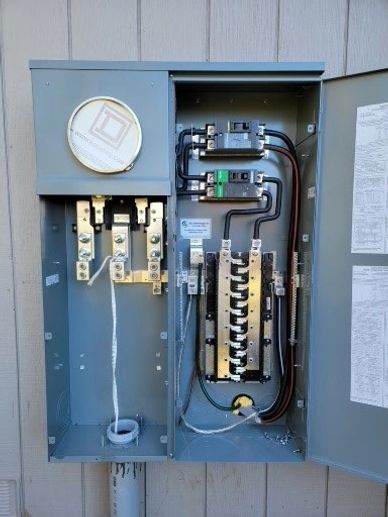
Look, I’ve spent over a decade crawling through crawlspaces in Capitol Hill and navigating the tight basements of Queen Anne bungalows. If there’s one thing I’ve learned as a veteran in this industry, it’s that Seattle homeowners take immense pride in their properties. We love our historic charm, our craftsman details, and our views of the Sound. But there’s a silent heroElectrical Panel Upgrades Seattle —or a silent villain—hiding behind that small gray metal door in your garage or utility room: your electrical panel.
Think of your electrical panel as the “heart” of your home. It takes the raw power from Seattle City Light and pumps it through the “veins” (your wiring) to every outlet, light fixture, and appliance you own. The problem? Most of our beautiful Seattle homes were built in an era when the biggest electrical draw was a toaster and a few incandescent light bulbs. Today, we’re asking those same old systems to power high-end espresso machines, 75-inch OLED TVs, dual home offices, and maybe even an EV charger in the driveway. If you’re still running on a 100-amp service from the 1970s, you’re not just living in the past—you’re potentially living in a fire hazard Why Your Old Panel is Struggling
The Evolution of Home Power Needs in the Pacific Northwest Electrical Panel Upgrades Seattle
When I first started doing electrical consultations in the Seattle metro area, the average home had maybe ten circuits. Fast forward to today, and the demand has tripled. We live in a tech hub. Between our Amazon and Microsoft remote-work setups and our obsession with smart home gadgets, the “load” on a standard Seattle residence has skyrocketed. The Pacific Northwest also has its own unique quirks; our damp winters mean we rely heavily on HVAC systems, heat pumps, and electric water heaters. If your panel was installed when Jimmy Carter was in office, it simply wasn’t designed for the 2026 lifestyle.
Signs Your Current Electrical Panel is a Ticking Time Bomb
I often tell my clients: “Your house will talk to you if you listen.” You don’t need to be a licensed electrician to spot the red flags. Are your lights flickering when the microwave kicks on? Do you find yourself making frequent trips to the garage to flip a tripped breaker? Or worse, do you hear a faint crackling or buzzing sound coming from the panel? These aren’t just “old house quirks.” They are urgent cries for help. In a city like Seattle, where the wood in our older homes is bone-dry behind the plaster, an electrical arc can turn into a structure fire in minutes.
Common Outdated Panels Found in Older Seattle Neighborhoods (Federal Pacific & Zinsco)
If you live in neighborhoods like Ballard, Fremont, or West Seattle, there’s a high chance your home still houses a “legacy” panel. Specifically, I’m looking for Federal Pacific Electric (FPE) or Zinsco brands. If you open your panel and see those names, stop reading and call a pro immediately. These panels are notorious in the industry for failing to trip during an overload. They stay “hot” even when they should shut off, which is why insurance companies in Washington State are increasingly refusing to cover homes that still have them. Replacing these isn’t just an upgrade; it’s a safety necessity.
How Modern Appliances are Overloading Your 100-Amp Service
A 100-amp service was the gold standard for decades. But let’s do the math. You’ve got a central AC unit for those increasingly hot Seattle summers (20-30 amps), an electric range (30-50 amps), and a dryer (30 amps). You’re already at the limit before you even plug in your laptop or turn on the lights. When you push a panel to its maximum capacity for years, the heat causes the bus bars to degrade. This is why an Electrical Panel Upgrade in Seattle is usually the first step in any kitchen remodel or basement finishing project. You can’t put a V8 engine in a golf cart and expect it to run.
The Real Risks of Ignoring an Aging Electrical System
The biggest risk isn’t just a power outage; it’s the “slow burn.” Overloaded wires get hot, the insulation becomes brittle, and eventually, you get a short circuit where you can’t see it—inside your walls. Beyond the fire risk, there’s the financial risk. Modern electronics are incredibly sensitive. A surge caused by a faulty breaker can fry your $3,000 MacBook or your smart fridge’s motherboard in a heartbeat. Investing in a new, 200-amp Siemens or Square D panel is essentially buying an insurance policy for every electronic device in your home.
The Step-by-Step Process of an Electrical Panel Upgrade in Seattle
Initial Site Assessment: What We Look for in Your Seattle Basement or Garage
When I walk into a Seattle home for a panel upgrade consultation, I’m not just looking at the box. I’m looking at the service entrance wires, the grounding system (which is often outdated in older homes near the coast), and the overall condition of the wiring. We check if your current system is grounded to the water pipe or if we need to drive new ground rods into that tough Seattle clay. This assessment is crucial because it determines if we can simply swap the box or if we need to upgrade the “mast” that brings power from the utility lines.
Navigating Seattle Department of Construction & Inspections (SDCI) Permits
One thing you should know: you cannot—and should not—do a panel upgrade in Seattle without a permit. The SDCI is strict, and for a good reason. A permit ensures that a third-party inspector will verify the work is up to the current National Electrical Code (NEC). As your contractor, I handle the paperwork, but it’s important for you to know that this process protects your home’s resale value. When you go to sell that house in Phinney Ridge, the buyer’s inspector will ask for permit records. If the work was done “under the table,” it could kill your deal.
Coordinating with Seattle City Light for a Seamless Cut-and-Reconnect
This is the part most homeowners don’t see. A panel upgrade requires a “cut and reconnect.” We have to coordinate with Seattle City Light to pull the meter and kill the power to the house. My team works fast to ensure your power is back on by dinner time, but the logistics of scheduling with the utility company is why you hire a veteran pro who knows the local dispatchers. We make sure the utility crew and our crew are synced up so you aren’t sitting in the dark for days.
The Day of the Install: What Homeowners Should Expect
On the day of the upgrade, expect us to arrive early. We’ll need clear access to your panel and the area around your electric meter. We’ll shut down the main breaker, and for a few hours, your home will be without power. This is a great time to head to a local coffee shop in Ballard or grab lunch while we do the heavy lifting. By the time you get back, you’ll have a shiny new panel with clearly labeled breakers—no more guessing which switch controls the upstairs bathroom!
Post-Installation Testing and Final Inspection Requirements
Once the new panel is installed, we don’t just walk away. We perform rigorous testing to ensure every circuit is functioning correctly and safely. Then, the SDCI inspector comes in. They check everything from the torque on the lugs to the grounding system. Only after the inspector signs off on the permit is the job truly complete. This final step is your official proof that your home’s electrical system is safe and up to code.
Cost vs. Value: Breaking Down the Investment for a Seattle Panel Upgrade
Average Costs for 200-Amp Upgrades in the Seattle Metro Area
Let’s talk numbers. In Seattle, a standard upgrade from 100-amp to 200-amp service typically ranges from $3,500 to $6,000. Why the range? Because every home is different. If we have to move the panel from a closet (which is no longer legal) to an exterior wall, or if your service mast needs to be taller to clear the roofline, the labor costs go up. However, compared to the cost of a fire or fried electronics, it’s a bargain.
Factors That Influence the Price: From Accessibility to Grounding Issues
The price of your Electrical Panel Upgrade in Seattle is highly dependent on a few key factors:
1.Location: Is the panel easily accessible, or is it buried behind a finished wall in a cramped basement?
2.Service Type: Are we dealing with overhead wires or underground service? Underground service often requires more complex trenching.
3.Grounding: Older homes often need a complete overhaul of the grounding system to meet modern code, which adds to the material and labor cost.
4.Panel Brand: While we only use top-tier brands like Square D, Siemens, or Cutler-Hammer, the specific model and features (like built-in surge protection) can affect the final price.
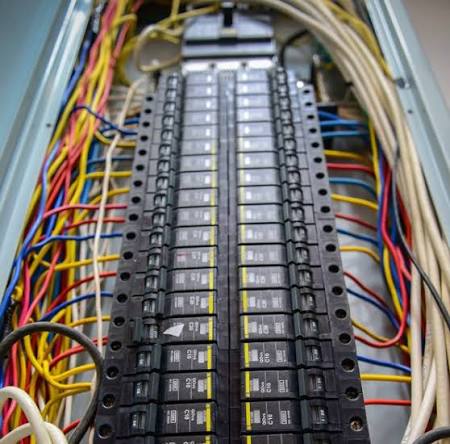
A new panel isn’t just an expense; it’s an investment that pays you back. Many insurance carriers in Washington State offer discounts on homeowner policies once you upgrade an outdated electrical system, especially if you remove a known hazard like an FPE panel. Furthermore, a modern panel runs more efficiently, reducing heat loss and potentially trimming a few dollars off your Seattle City Light bill each month.
How a New Panel Boosts Your Seattle Property Resale Value
In the competitive Seattle real estate market, having a “200-amp copper-bus panel” listed in your home’s features is like saying you have a new roof. It gives buyers peace of mind. A new panel eliminates a major negotiation point for buyers and their inspectors, making your home more attractive and often leading to a quicker sale at a higher price. It’s a tangible upgrade that every buyer understands.
Available Tax Credits and Rebates for Energy-Efficient Upgrades in WA
The federal government, through the Inflation Reduction Act, offers tax credits for certain energy-efficient home improvements. While a panel upgrade itself might not qualify directly, it is often a prerequisite for installing qualifying items like heat pumps or solar systems. We can guide you on how to structure your project to maximize these valuable incentives.
Choosing the Right Licensed Electrician in Seattle for Your Project
Why “DIY” is Never an Option for Main Service Panels
Let me be blunt: the main electrical panel is not a DIY project. It involves working with the main power lines coming into your home, which carry enough voltage to be lethal. Beyond the safety risk, any work done without a permit by an unlicensed individual will void your home insurance and create massive headaches when you try to sell. Always hire a Licensed Electrician Seattle for this critical job.
Verifying WA State Labor & Industries (L&I) Licenses and Insurance
Don’t just take someone’s word for it. In Washington, you can look up any contractor on the L&I website. Ensure they are “Licensed, Bonded, and Insured.” This protects you if a worker gets hurt on your property or if something goes wrong during the install. A reputable contractor will provide their license number (e.g., ELECTXXXXXX) upfront.
Questions You Must Ask Before Hiring a Seattle Electrical Contractor
When interviewing contractors for your Electrical Panel Upgrade in Seattle, ask these three critical questions:
1.”How many panel upgrades do you perform per year in the Seattle area?” (Look for experience with local codes).
2.”Will you handle the SDCI permitting and inspection process entirely?” (The answer should be yes).
3.”What is your warranty on the labor and the panel itself?” (A good warranty is a sign of confidence in their work).
Reading Between the Lines of Local Reviews and Testimonials
Look beyond the 5-star rating. Read the comments. Do people mention professionalism, punctuality, and handling the permitting process smoothly? Specifically, look for reviews that mention “panel upgrade” or “service change” to ensure they have direct experience with this type of work.
The Importance of Warranties and Post-Service Support
A new panel should last 20-30 years. A reputable Seattle electrician will offer a minimum 1-year warranty on their labor. The panel itself will come with a manufacturer’s warranty. Make sure you get all this documentation in writing.
Future-Proofing Your Seattle Home: Beyond the Basic Panel Upgrade
Preparing for EV Charger Installation in Your Seattle Garage
Electric vehicles are the future, and Seattle is leading the charge. If you plan on buying a Tesla, Rivian, or any other EV, you will need a dedicated 240-volt circuit, which often requires a 200-amp panel. We can install the panel and run the wiring for your Level 2 charger simultaneously, saving you time and money down the road.
Integrating Smart Home Technology and Energy Monitoring
Modern panels allow for the integration of smart circuit breakers and energy monitoring systems. These tools let you track your energy consumption in real-time, helping you identify energy vampires and optimize your usage—a great feature for the environmentally conscious Seattle homeowner.
Whole-Home Surge Protection: A Must-Have for the Rainy Season
While a new panel protects against overloads, it doesn’t protect against external power surges (like lightning strikes or utility fluctuations). We highly recommend installing a whole-home surge protector directly at the new panel. It’s a small investment that protects every appliance and electronic device in your home.
Solar-Ready Panels: Is Your Home Ready for the Green Transition?
If you’re considering solar panels in the next few years, let us know. We can install a “solar-ready” panel that has the necessary bus bar space and wiring capacity to easily integrate a solar system later on, making your future transition seamless.
Frequently Asked Questions About Electrical Panel Upgrades in Seattle (FAQ)
How long does a typical panel upgrade take in Seattle?
The physical work is typically completed in one day (8-10 hours). The entire process, including permitting and final inspection, can take 2-4 weeks depending on the SDCI’s schedule.
Do I need to be home during the electrical work?
You will need to be home at the start to let the crew in and at the end for the final walkthrough. During the power-off period, you are free to leave.
Will Seattle City Light charge me for the disconnect?
No, Seattle City Light does not typically charge the homeowner for the temporary disconnect and reconnect required for a service upgrade, but your electrician handles the coordination.
Can I upgrade my panel without rewiring the whole house?
Yes, absolutely. The panel upgrade addresses the capacity and safety of the main service. While full rewiring is a separate, much larger project, the new panel provides a safer foundation for your existing wiring.
What is the difference between a fuse box and a circuit breaker panel?
A fuse box uses metal fuses that melt when overloaded and must be replaced. A circuit breaker panel uses switches that simply trip and can be reset. Breakers are much safer and are the required standard today.
Critical Note for Owners of Seattle’s Historic Homes
If you live in one of Seattle’s classic Craftsman or Victorian homes, your electrical panel might not be the only thing holding you back. Many of these beautiful properties still house outdated Knob and Tube (K&T) wiring. While a panel upgrade provides the capacity you need, it’s often the first step toward a full system modernization. If you’re unsure whether your home still relies on this century-old technology, you should check out our comprehensive guide on Knob and Tube Wiring Replacement in Seattle. Combining a panel upgrade with a wiring inspection is the best way to ensure your historic home meets 2026 safety standards and remains fully insurable.